Venezuela Says It Retains Sovereignty After Landmark US Oil Deal
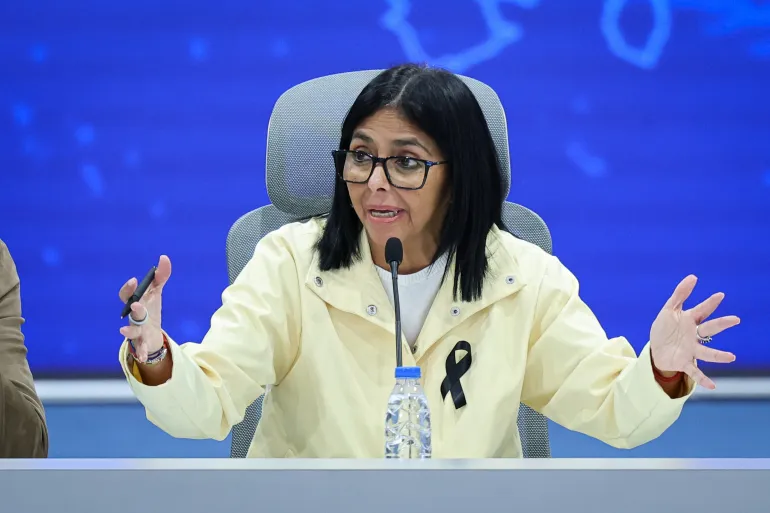
Venezuela’s interim President Delcy Rodríguez has insisted that the country will retain ownership and sovereignty over its oil resources despite a sweeping new agreement giving US interests significant access to Venezuela’s enormous petroleum reserves.
The 25-year agreement covers the development of 17 strategic oil fields and eight new greenfield blocks, with an initial production target of 1.5 million barrels per day. Rodríguez described the deal as historic and said it would help revive Venezuela’s badly damaged oil industry.
US Gains Major Access to Venezuela’s Oil
The agreement gives US companies a major role in developing Venezuela’s oil resources. The plan involves more than 65 billion barrels of proven reserves, with US interests expected to have majority control over output from the projects.
President Donald Trump has described the agreement as the biggest oil deal in history, while Washington says US companies can provide the investment, technology and expertise needed to rebuild Venezuela’s deteriorating energy infrastructure.
Venezuela Could Receive More Than $200 Billion
Rodríguez said Venezuela could receive about $19 for every barrel of oil produced and sold to the United States.
At the projected production levels, she estimated the arrangement could generate approximately $209 billion annually for Caracas, depending on oil prices and production.
The Venezuelan government says the revenue could help restore public services and rebuild an oil industry that has suffered from years of sanctions, underinvestment and deteriorating infrastructure.
Chevron and Other Companies Expected to Participate
Venezuelan officials are preparing agreements that would grant exploration and production rights to several international companies, including US energy giant Chevron.
The broader plan is intended to attract billions of dollars in foreign investment and substantially increase Venezuela’s oil production.
Deal Sparks Debate Over Venezuelan Sovereignty
Despite Rodríguez’s assurances, the agreement has triggered criticism and protests in Venezuela over the scale of US involvement in the country’s most valuable natural resource.
Critics argue that Washington’s significant control over production could undermine Venezuela’s economic independence, while the interim government maintains that foreign investment does not mean surrendering ownership of the country’s natural resources.
The deal therefore represents both a major economic opportunity for Venezuela and a significant shift in its relationship with the United States.


About The Author