Trump Administration Revokes More Than 175,000 Visas, State Department Says
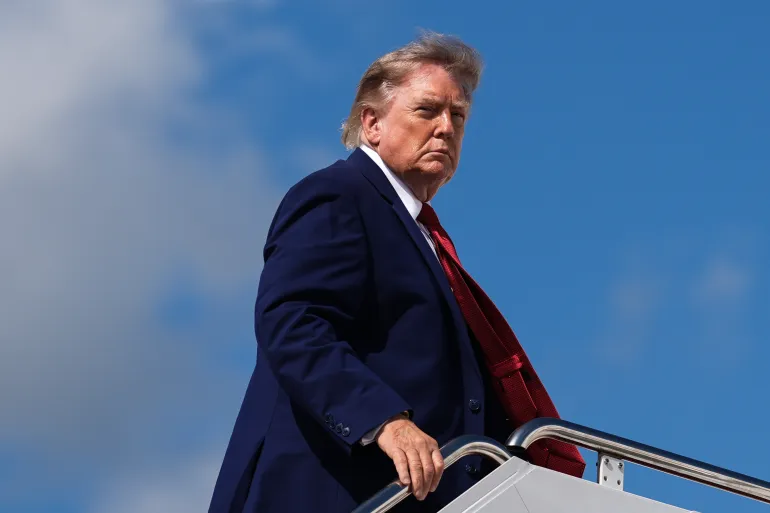
The Trump administration has revoked more than 175,000 U.S. visas since President Donald Trump returned to office, according to the U.S. State Department, marking a major expansion of visa enforcement and immigration screening.
The State Department said Monday that most of the visa revocations involved foreign nationals who had encounters with law enforcement connected to criminal activity. Other cases involved violations of visa conditions, fraud, calls for violence and concerns related to national security.
Among the offenses cited by the department were assault, driving under the influence, theft, drug-related crimes and other criminal violations. Officials also highlighted cases involving more serious allegations, including rape, kidnapping, human trafficking and sexual offenses involving minors.
The administration has also revoked visas in cases involving what officials described as support for violence. The State Department said some visas were canceled after foreign nationals posted messages that celebrated the killing of conservative activist Charlie Kirk.
More than 100 visas were also revoked at a U.S. embassy in North Africa in cases the department linked to so-called “birth tourism,” in which foreign nationals allegedly traveled to the United States to give birth so their children could obtain U.S. citizenship.
The State Department defended the broader crackdown, saying that a U.S. visa is a privilege rather than a right and that the government will continue investigating foreign nationals who may pose risks to public safety or national security.
The latest figures highlight the Trump administration’s intensified approach to immigration enforcement and visa screening. The administration has also increased scrutiny of applicants’ backgrounds and social media activity as part of its broader immigration policy.
The scale of the revocations has drawn criticism from immigration advocates, who argue that some of the administration’s policies could have implications for due process and freedom of expression. The White House and State Department maintain that the measures are necessary to protect U.S. security and enforce immigration laws.
With immigration expected to remain a major political issue ahead of the 2026 midterm elections, visa enforcement and the administration’s broader deportation policies are likely to face continued scrutiny.

About The Author