
Judge Grants Injunction Allowing LSU to Sign Former NFL Players
A Louisiana judge has converted a temporary restraining order into an injunction that allows LSU to add former NFL players to its football roster, escalating an already heated legal battle between the Tigers and the Southeastern Conference (SEC).
The ruling could allow LSU to add players who recently spent time on NFL 90-man rosters, including Dae’Quan Wright and Zxavian Harris, for the 2026 college football season. More than 40 athletes are now covered by court rulings granting them additional eligibility.
LSU Can Add Former NFL Players
The decision by Judge William Jorden provides LSU with a legal path to bring former professional players back into college football.
Wright, a tight end, and Harris, a defensive lineman, are among the players who could join LSU after brief periods with NFL teams. Both are connected to LSU coach Lane Kiffin, who has strongly supported the idea of allowing these athletes to return to college competition.
The ruling comes just before the deadline for teams to finalize their rosters.
SEC Strongly Opposes the Move
The SEC has argued that players who signed professional contracts should not be permitted to return to college football under the conference’s existing rules.
The conference has already approved penalties aimed at schools that use former NFL players, and LSU did not support that policy. The SEC has warned that allowing the players to compete could undermine its rules governing the boundary between college and professional sports.
The conference is now preparing to challenge the latest ruling.
SEC Files Federal Lawsuit Against LSU
The legal battle intensified when the SEC filed a federal lawsuit against LSU, Lane Kiffin and other university officials.
The lawsuit was filed in the U.S. District Court for the Northern District of Alabama and seeks to prevent LSU from adding former NFL players to its roster.
The SEC argues that LSU’s actions violate its conference rules and could undermine competitive balance and the conference’s governance structure.
The SEC’s legal action came on the same day the Louisiana court converted the temporary restraining order into an injunction.
SEC Plans to Appeal
The latest court ruling is unlikely to end the dispute.
SEC lawyers said they plan to appeal the injunction, creating another legal showdown over whether former NFL players can participate in college football.
The timing is particularly important because Friday is the deadline for adding players to rosters, while LSU is scheduled to face Clemson on Saturday night.
Wright has indicated that he expects to be added to LSU’s roster and potentially play against Clemson.
The Bigger Eligibility Fight
The dispute is part of a much broader battle over college athletes receiving additional eligibility.
The NCAA recently moved toward a five-year eligibility system, prompting athletes who previously used four seasons to argue that they should receive an additional year.
That has created an unusual situation in which players who briefly entered professional football can seek another opportunity to compete in college.
More than 40 athletes are currently covered by the latest injunction, while hundreds of other athletes have pursued similar eligibility claims.
Lane Kiffin at the Center of the Controversy
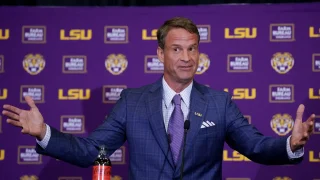
LSU head coach Lane Kiffin has become one of the most visible figures in the dispute.
Kiffin has defended bringing former NFL players into his program, arguing that the athletes should be allowed to take advantage of eligibility granted to them by the courts.
His approach has drawn criticism from rival coaches and conference officials, turning what began as an eligibility question into a major battle over the future direction of college football.
Why the Ruling Matters
The case could have consequences far beyond LSU.
If former NFL players are ultimately permitted to return to college football, other programs could attempt to recruit athletes who have spent time in the NFL or on professional training-camp rosters.
That could significantly change recruiting and roster-building strategies, particularly as college football continues to adapt to new eligibility rules, transfer policies and the changing relationship between college and professional football.
The SEC and other conferences are concerned that allowing former professionals to return could create an uneven playing field and undermine existing rules.
LSU-Clemson Adds More Drama
The timing of the ruling could make the controversy even more significant.
LSU is scheduled to open its season against Clemson, giving Kiffin the possibility of using former NFL players in one of the biggest games of the opening weekend.
Clemson coach Dabo Swinney has been among the coaches critical of LSU’s approach, adding another layer to the developing rivalry.
What Happens Next?
The immediate future of the case will depend on the SEC’s appeal and additional court proceedings.
For LSU, however, the ruling provides an opportunity to add former NFL players before the roster deadline.
For the SEC, the decision represents another setback in its attempt to enforce its professionalism rules, and the conference appears determined to continue the legal fight.
The dispute could ultimately require courts, the NCAA, conferences and potentially Congress to determine how college football should handle athletes who move between professional and collegiate competition.
Bottom Line
A Louisiana judge has granted an injunction allowing LSU to sign former NFL players, giving Lane Kiffin’s program a major legal victory in its eligibility battle with the SEC and NCAA.
The SEC has already filed a federal lawsuit and plans to appeal the injunction, meaning the legal battle is far from over.
With LSU preparing to face Clemson and the roster deadline approaching, the decision could have immediate consequences for the Tigers and potentially reshape the rules surrounding former professional athletes returning to college football.


About The Author