Can Europe Fill the Vacuum in Lebanon as UN Peacekeeping Force Winds Down?
As the UN peacekeeping mission in Lebanon prepares to wind down, questions are growing over whether European countries can fill the security and political vacuum that could emerge in the country.
The future of UNIFIL (United Nations Interim Force in Lebanon) has become increasingly important as Lebanon continues to face security challenges, political uncertainty and tensions linked to the wider Middle East conflict.
UNIFIL Mission Nears Its End
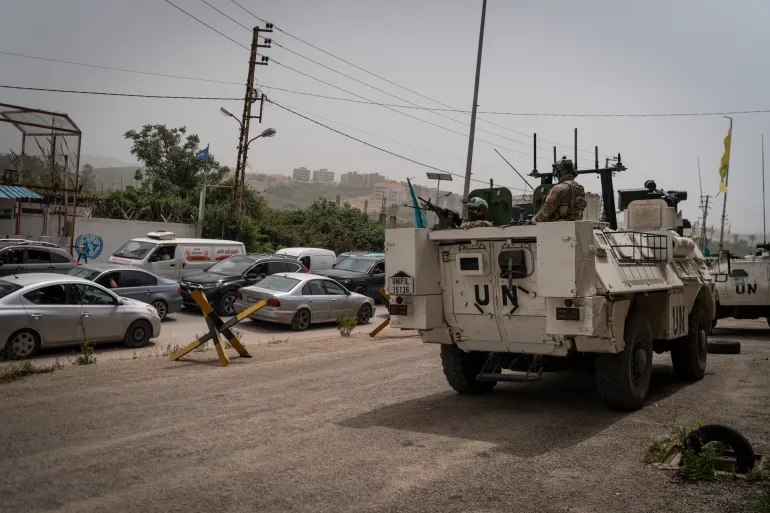
UNIFIL has operated in southern Lebanon for decades, helping monitor the security situation and supporting the implementation of UN Security Council resolutions.
The mission’s eventual withdrawal would represent a major change to the security landscape in southern Lebanon.
The force has included thousands of troops from countries around the world, with European nations playing an important role in its operations.
Europe Faces Pressure to Step In
With the UN mission winding down, European governments could face calls to increase their involvement in Lebanon.
European countries have longstanding diplomatic, economic and security relationships with Beirut and have previously provided troops and financial assistance to Lebanon.
Countries such as France, Italy and Spain have been among the major European contributors to UNIFIL.
However, replacing a UN peacekeeping operation with a European-led security arrangement would be politically and logistically complicated.
Lebanon’s Security Challenges
Lebanon remains vulnerable to renewed violence, particularly in the south, where tensions involving Hezbollah and Israel have repeatedly threatened to escalate.
The Lebanese government has also faced challenges in strengthening the country’s armed forces and extending state authority across all parts of the country.
A reduction in international peacekeeping forces could therefore create uncertainty about who would monitor ceasefire arrangements and help prevent renewed clashes.
Hezbollah Remains a Key Issue
Any European role in Lebanon would also have to address the presence and influence of Hezbollah.
The group has significant political and military influence inside Lebanon, while Israel has repeatedly called for Hezbollah’s military capabilities to be dismantled.
European governments have generally sought to support the Lebanese state while avoiding actions that could trigger another major conflict.
This makes any future European security mission particularly sensitive.
Could Europe Lead a New Mission?
A European-led arrangement could potentially involve military advisers, peacekeeping personnel, financial assistance and support for the Lebanese Armed Forces.
But European governments would need agreement over the mission’s mandate, rules of engagement, funding and long-term objectives.
There would also be questions over whether European countries are prepared to commit troops to a potentially dangerous environment after the withdrawal of UNIFIL.
A Critical Moment for Lebanon
The end of UNIFIL could become a turning point for Lebanon.
If European countries increase their involvement, they could help strengthen Lebanon’s state institutions and reduce the risk of renewed violence. But without a clear political agreement and credible security guarantees, the withdrawal could leave a difficult vacuum.
For Lebanon, the central question is whether international support can be transformed into a sustainable security framework led by the Lebanese state.

About The Author